

Beyond the “Winter Blues”: Understanding and Overcoming Seasonal Affective Disorder (SAD)
As the vibrant leaves of autumn fall and the days grow shorter, many of us feel a natural shift in our energy. We might crave heartier foods, hit the snooze button a few extra times, or prefer a quiet night in over a social outing. However, for a significant portion of the population, this isn’t just a seasonal “funk”—it is Seasonal Affective Disorder (SAD), a type of depression that occurs at a specific time of year, usually starting in late fall and lasting through the winter months.
At The Therapy Centre, we believe that understanding the biological and psychological roots of SAD is the first step toward reclaiming your well-being. This isn’t a character flaw or a lack of willpower; it is a clinical condition driven by our environment’s impact on our brain chemistry.
What Exactly is Seasonal Affective Disorder?
Seasonal Affective Disorder is a subtype of major depression. While a rare “summer-onset” version exists, the vast majority of cases are winter-onset. In Canada, our geographic location plays a significant role in our mental health.
According to the Canadian Mental Health Association (CMHA), approximately 2–5% of Canadians will experience SAD in their lifetime. An additional 15% will experience a milder form of seasonal mood change, often referred to as the “winter blues.”
The distinction between the two is the level of impairment. While the “winter blues” might make you feel a bit sluggish, SAD can interfere significantly with your ability to work, maintain relationships, and enjoy daily life. This prevalence is deeply tied to our northern latitude; research spearheaded by institutions like the University of British Columbia (UBC)—specifically the work of Dr. Raymond Lam—has long emphasized that the further north you live from the equator, the higher the risk of seasonal depression due to the significant reduction in winter daylight.
The Science: Why Does Light Matter So Much?
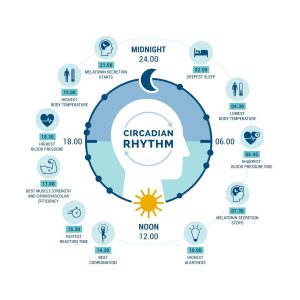
Our bodies are finely tuned to the rhythms of the sun. When the amount of daylight decreases, it triggers a “perfect storm” of biological changes in the brain:
- Circadian Rhythm Disruption: Your internal clock (circadian rhythm) uses sunlight to signal when to be awake and when to sleep. The reduced light of winter can “unset” this clock, leading to feelings of grogginess and depression.
- Serotonin Drop: Reduced sunlight can cause a drop in serotonin, a neurotransmitter that affects mood. Low levels of serotonin are a primary trigger for depressive episodes.
- Melatonin Imbalance: The change in season can disrupt the balance of melatonin, which plays a role in sleep patterns. In people with SAD, the body may produce too much melatonin, leading to excessive sleepiness and lethargy.
- Vitamin D Deficiency: We produce Vitamin D when our skin is exposed to sunlight. Since Vitamin D is believed to promote serotonin activity, a lack of it during Canadian winters can exacerbate depressive symptoms.
Identifying the Symptoms
SAD symptoms usually build up slowly in the late autumn. Common signs include:
- Low energy and fatigue: Feeling heavy or “leaden” in the arms and legs.
- Hypersomnia: Oversleeping or having difficulty staying awake during the day.
- Carbohydrate cravings: A strong desire for starchy or sugary foods, often leading to seasonal weight gain.
- Social withdrawal: Feeling like “hibernating” and avoiding friends or family.
- Difficulty concentrating: A persistent “brain fog” that makes productivity difficult.
Strategies for Managing SAD
The good news is that SAD is highly treatable. Because the cause is multi-faceted, the best approach is often a combination of lifestyle changes, technology, and professional support.
1. Light Therapy (Phototherapy)
Since the primary trigger is a lack of light, “bringing the sun inside” is often the first line of defense. Sitting in front of a specialized 10,000-lux lightbox for about 30 minutes each morning can trigger a change in brain chemicals that helps regulate mood. This treatment has been rigorously studied and validated by Canadian researchers as a primary intervention for SAD.
2. Prioritize Natural Light
Even on a cloudy day, outdoor light is more powerful than indoor bulbs. Try to go for a walk during the brightest part of the day (usually between 11:00 AM and 1:00 PM). If you work in an office, try to sit near a window or keep the blinds open.
3. Movement as Medicine
Exercise is a powerful natural antidepressant. It increases endorphins and can help regulate the sleep-wake cycle. Even a low-impact 20-minute yoga session or a brisk walk can significantly lift your mood.
4. The Power of Cognitive Behavioural Therapy (CBT-SAD)
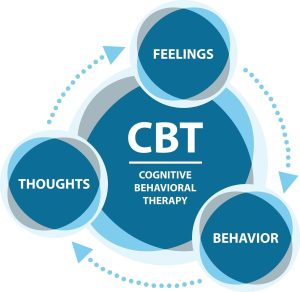
While biological factors are key, the way we think about winter also matters. CBT-SAD, as supported by the Canadian Psychological Association (CPA), helps individuals identify and challenge negative thought patterns associated with the season (e.g., “I hate winter,” “I can’t do anything until spring”). It also encourages “behavioral activation”—finding winter-specific activities that bring joy, rather than just waiting for the season to end
When to Seek Professional Help
If you find that your “winter blues” are turning into a persistent cloud that prevents you from living your life, it is time to speak with a professional. Early intervention can prevent the symptoms from worsening as the season progresses.
At The Therapy Centre, our team of clinicians are experienced in helping clients navigate these seasonal shifts. We provide a safe space to explore evidence-based treatments—whether through in-person sessions at our Oakville, Hamilton, or Toronto locations, or through our Virtual Therapy services.
Reclaiming Your Winter
Winter in Canada is a long season, but it doesn’t have to be a lost season. By understanding the science behind SAD and implementing a proactive plan, you can shift from a state of “survival mode” to one of stability and peace.
Remember: the days are already beginning to get longer. But until the sun returns in full force, we are here to help you find your own light.
Primary Reference:
- Organization: Canadian Mental Health Association (CMHA)
- Source: CMHA National – Seasonal Affective Disorder (SAD)
- The Data: The CMHA reports that SAD makes up about 10% of all reported cases of depression. Specifically for the Canadian context, they note that approximately 2–5% of Canadians will experience SAD in their lifetime, while a further 15% will experience a milder form of seasonal mood change (the “winter blues”).
Supporting References:
- The Canadian Psychological Association (CPA): Their “Psychology Works” Fact Sheet on SAD corroborates that while estimates vary, the 2-5% range is the standard clinical benchmark for the Canadian latitude.
- The Centre for Addiction and Mental Health (CAMH): Their SAD guides emphasize that the risk increases the further north you live from the equator, which is why Canadian statistics are higher than the global average.